

How Are Signature Scents Created Using Premium Ingredients?
Creating a signature scent is an art form that blends creativity with the science of fragrance. In this guide, we will break down the process of crafting unique scents using premium ingredients, making it accessible for anyone curious about the world of perfumery.
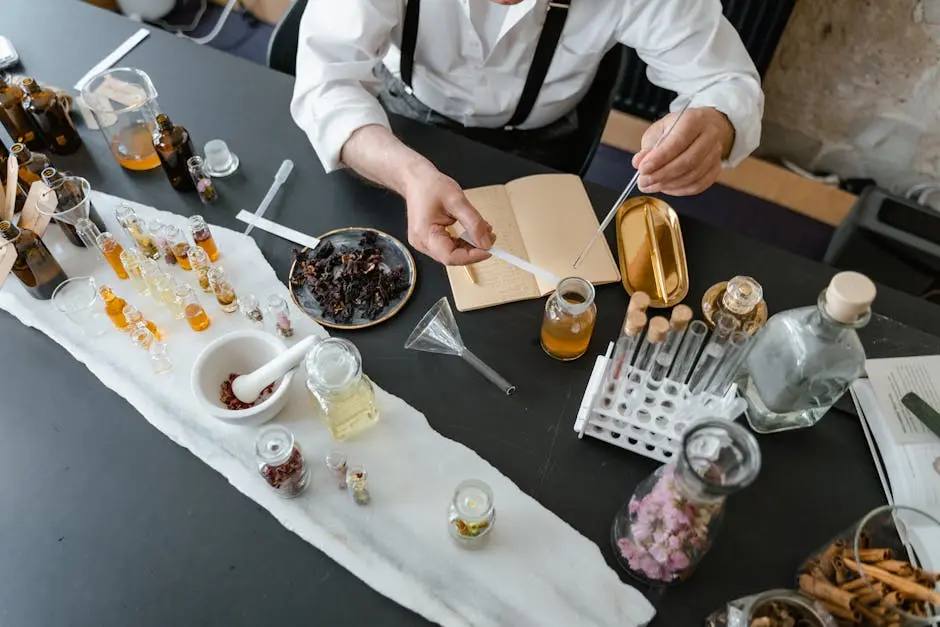
Step 1: Understand the Basics of Fragrance Composition
Learn about the three main notes: top, middle, and base notes, which come together to form the identity of a scent.
Top notes are the first impressions of a fragrance, often fresh and light. They disappear quickly, making way for the more complex heart notes, which usually make up the core of the scent.
Middle notes, sometimes called heart notes, blend beautifully with top notes and serve as a transition to the deeper base notes. These add richness and fullness to the fragrance.
Base notes provide longevity and depth, grounding the overall scent. Common base notes include woody or musky aromas, which linger on the skin long after the top notes have faded.
Step 2: Choose Your Premium Ingredients
Select high-quality essential oils, absolutes, and aroma compounds that will form the foundation of your fragrance.
Choosing premium ingredients is vital as they greatly influence the scent’s character. Opt for natural materials whenever possible, as they offer richness and complexity that synthetic options may lack.
Explore ingredients like bergamot, jasmine, or sandalwood. Each comes with unique aromatic properties that can transform your design. Aromatic diversity is key to creating striking signature scents.
It’s also important to consider sourcing. Ethically and sustainably sourced ingredients not only enhance the scent but also add a sense of responsibility and integrity to your creation.
Step 3: Experiment with Blending Techniques
Discover different blending techniques to achieve a harmonious combination of notes that express your desired scent profile.
Start with a small ratio of each ingredient. This experimentation allows you to see how they interact and complement each other. Sometimes, unexpected combinations yield magnificent results!
Use a blending wheel to understand which notes harmonize best together. This visual tool can simplify the process by offering insights into complementary and contrasting notes.
Remember to be patient with the process. Fragrance development often requires multiple iterations, so don’t hesitate to iterate until you find the balance that resonates with your vision.
Step 4: Test and Refine Your Creation
Conduct tests to see how the fragrance evolves over time, making adjustments as needed to perfect your signature scent.
Applying your blend to a testing strip will help you determine how it develops throughout the day. Remember that fragrances can change with body chemistry and environmental factors.
Keep a clean notebook of your experiments. Document your ratios, notes, and the evolution of the scent to track what works and what needs tweaking.
Seeking feedback from friends or family can provide valuable perspectives. Everyone’s nose is different, and you might be surprised at insights they can offer!
Wrapping It Up
In conclusion, the creation of signature scents using premium ingredients is a delicate balance of art and science. By understanding the components and processes involved, you can appreciate the craftsmanship behind every fragrance. Whether you’re looking to create your own or just admire the artistry, the world of scent awaits you.


